
Keys to Sustaining Excellence
I present a series of proven high volume manufacturing best known methods (BKM) for sustaining excellence developed from personal experience. These will enhance the productivity of both new and experienced process development/sustaining engineers across multiple manufacturing industries. Read and share your feedback.
TOOL SUSTAINABILITY
Emmanuel Epie
3/1/20253 min read
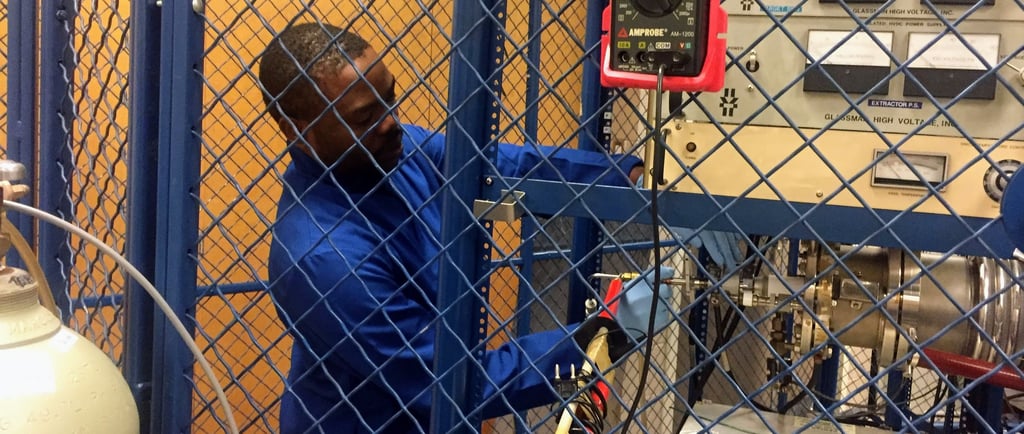
1. Know your Toolset
The first key to sustaining excellence for engineers is knowledge of their toolset (aka equipment). You must understand:
i. What your tool does and how it performs its tasks
ii. How the different tool components interact/communicate
iii. Common failure modes and how to troubleshoot/address them
iv. Your equipment safety: how to safely operate your tool
v. Your tool health indicators and how to track them
2. Know your Tool PMs and Monitors
Deep knowledge of your tool PMs (Preventive Maintenance) and Monitors is essential for sustaining excellence. Every engineer must know their toolset:
i. PM Types and frequency
ii. What each PM addresses
iii. PM Monitors (gating vs non-gating) and their passing criteria
iv. RFC for failing monitors
v. Overall tool up to production criteria
vi. Expected tool recovery or green-to-green time
vii. RFCs to address extended tool down: partitions, defect analysis, tool visual inspections, re-invasions/wipe downs, postmortem reports, etc.
3. Know Your Team and Fit In
A successful engineer must:
i. Study his team's culture and make every effort to fit in by:
a. Actively participating in team builder events
b. Being supportive of team members
c. Developing a flexible personality
d. Avoiding gossip and polarizing conversations (e.g., politics, gender, race, etc.).
ii. Know key stakeholders in your team and learn from them. Ask for their mentorship
iii. Know each team member’s expertise and seek their help/advise accordingly
iv. Develop a career growth plan with your manager and follow it
v. Publicly acknowledge support from team members
vi. Avoid open confrontations: disagreements are better discussed in private during 1:1
4. Know Your Process
A successful engineer must know:
i. The process steps at their toolset and how they fit in the big picture. Reading process flow documents will help.
ii. How their tool mis processes affect product quality and performance
iii. The risk assessment for their tool misprocesses and corresponding RFCs
iv. At least the immediate operations upstream and downstream as well as corresponding people of contact.
v. Key stakeholders (e.g., Integrators, QRE & Defect Metro Engs) and establish a good working relationship with them.
vi. How to track WIP upstream and downstream: very important for PM planning and WIP containment in case of a misprocess.
5. Prioritize Properly
A successful engineer must master proper prioritization amid limited resources, time and other constraints. For example, before logging down a tool (i.e., production equipment) for PM, an engineer must:
i. First track incoming WIP and if possible, reschedule PMs within off peak hours
ii. Ensure availability of resources (e.g. technicians, spare parts, monitors…etc.)
iii. Conduct a detailed audit to ensure available resources are ready for use
iv. Prepare a contingency plan in case of an extended tool down
v. Ensure all other up to production (utp) tools are running at full capacity. If not, address any capacity limitations first.
vi. Run scheduled monitors on utp tools far in advance or reschedule accordingly.
Concentrate resources on tool(s) likely to come UTP first if 2+ tools are down
6. Pay Attention to Details
For each tool, a successful engineer needs to keep logs of:
i. Consumables: Part Numbers, vendors, cost, shelf life, installation date, time to fail, failure mode, …etc. From this data, one can estimate the replacement date and plan accordingly. This will minimize supply chain delays and extended tool downs.
ii. Tool Health: PM schedule, common defects, root cause and mitigation steps. This info will help determine areas of focus during PM and success criteria.
iii. SPC Charts: Observe tool monitor and inline trends for each tool to establish areas of emphasis during PM.
iv. Available Resources: knowledge of module wide PM schedule and proper resource allocation will minimize cost and the possibility of an extended tool down.
7. Prioritize Your Health and Family
Without a healthy body/mind, it is hard to focus and thrive as an engineer.
Proper execution requires a healthy body and sound mind. There is very little room for error in high volume manufacturing as millions of dollars and company reputation are at stake. It is important to set aside time to exercise regularly and build strong family/social relationships. That is why most employers provide paid
ü Wellness days
ü Bonding leave
ü Employee assistance programs
ü Team build events
ü Vacation time.
Take advantage of these opportunities and recharge your mind to avoid burnout and resulting poor performance.
If you enjoy our content and wish to support with a cup of coffee click the support button. Thanks!


Quovitek Consulting LLC
Helping Manufacturers Thrive
info@quovitek.com
(832) 662-3581




Designed and built by: Epie and DizzySolutions © 2025. All rights reserved.